Carpet Repair After New Wardrobe Installation: A Real-Life Solution in London
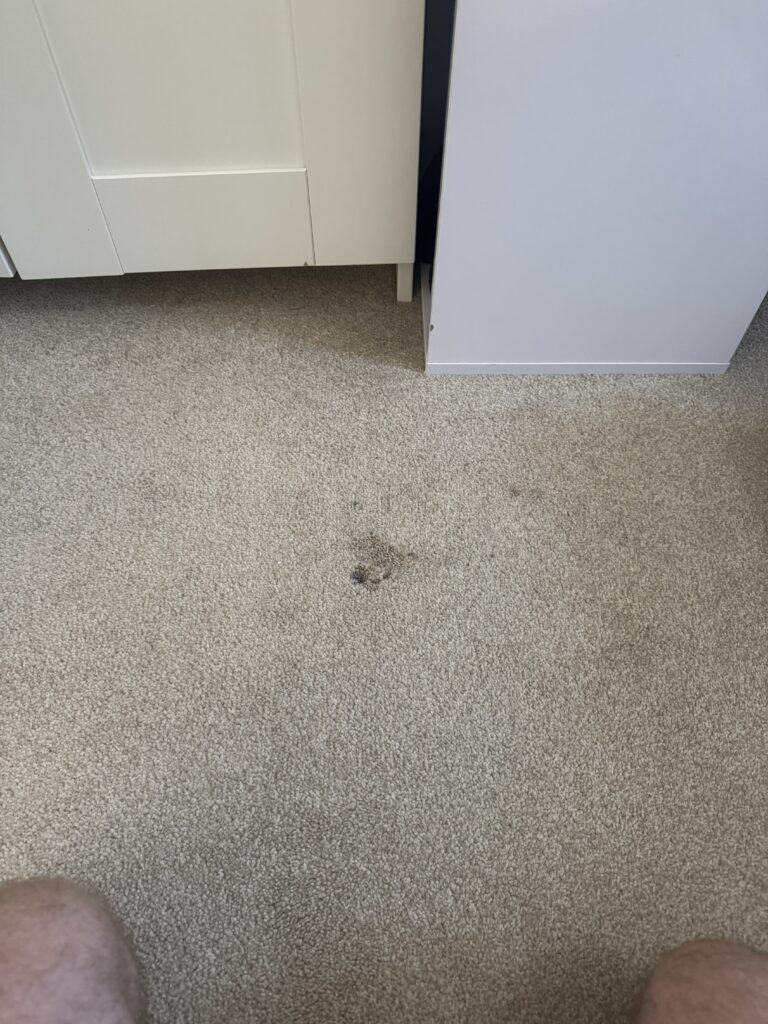
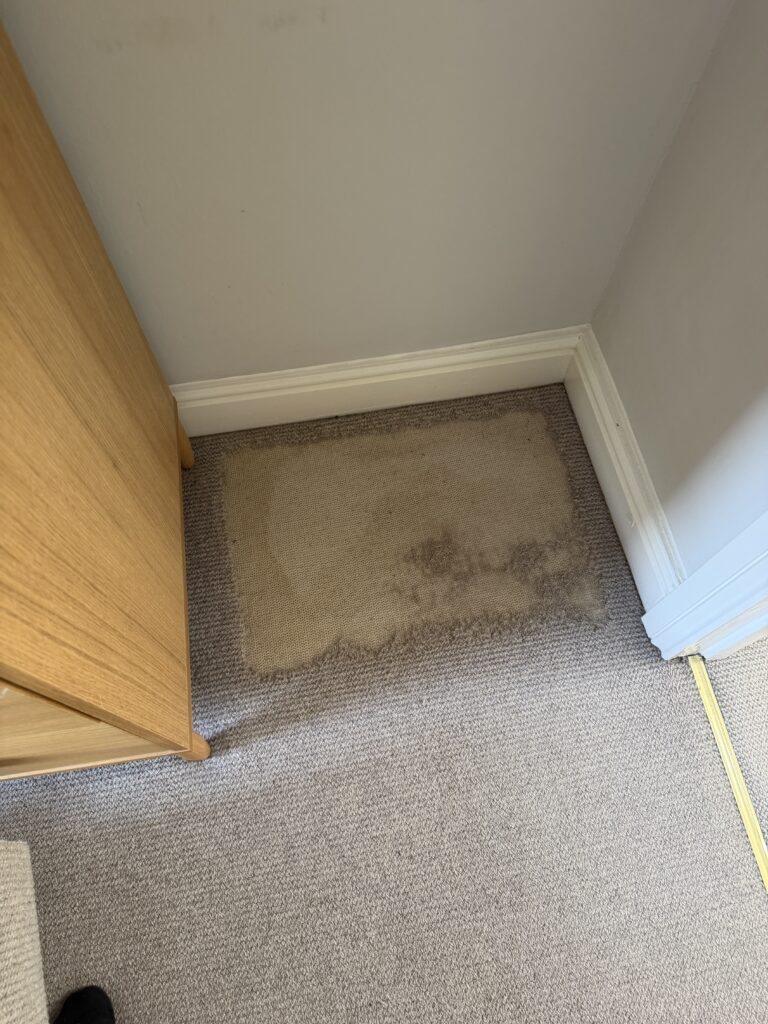
At The Carpet Repair Guys, we pride ourselves on solving tricky carpet repair issues with precision and expertise. Recently, we were called to a job in London where a new wardrobe had been installed, leaving an awkward gap in the carpet. The old wardrobe had been much larger, and with the new installation, a noticeable gap between the carpet and the wardrobe base had emerged. But this time, there was an additional challenge: the customer had some spare carpet, but not enough to completely fill the gap.
Here’s how we approached the repair and ensured the customer’s carpet looked as good as new despite the challenges.
The Problem: The Wardrobe and the Gap
When the new wardrobe was installed, it became clear that the carpet no longer reached the base of the wardrobe. This is a common issue that arises when larger furniture pieces are replaced, as they often leave behind an exposed gap where the carpet was once tucked in. In this case, the customer’s wardrobe had been larger, which caused the gap after the new wardrobe was installed.
The customer did have some carpet left over from the original installation, but unfortunately, there wasn’t enough to cover the entire gap. Additionally, the homebuilders had screeded the floor under the old wardrobe, leaving the floor level in the exposed area slightly lower than the rest of the room—just a few millimetres, but enough to cause a noticeable difference.
Step 1: Assessing the Available Carpet
We started by assessing the piece of spare carpet the customer had. While it wasn’t enough to cover the entire gap, it was a good start. Using this spare carpet, we could cut a patch that would cover most of the exposed area, blending it as seamlessly as possible with the surrounding carpet.
Step 2: Dealing with the Lowered Floor Area
Unlike some carpet repairs that require floor levelling, in this case, the floor didn’t need to be leveled. The screed under the old wardrobe had left the floor a few millimetres lower, but the gap was small enough to work with without any additional floor preparation. We focused on making sure that the carpet fit securely despite the height difference.
Step 3: Cutting and Repositioning the Carpet
With the available carpet, we carefully cut a section to fill the gap. Since the new wardrobe had been installed, we had to cut and position the carpet to fit around the wardrobe’s base. This required precise measurements to ensure a neat and secure fit. The cut piece wasn’t an exact match, but it was close enough to make the repair work effectively and maintain a cohesive look.
Step 4: Blending the Seam
One of the most challenging parts of this job was blending the new carpet section with the existing carpet. We had to ensure that the pile direction and texture of the carpet matched as closely as possible. Though the new carpet section wasn’t a perfect match, we made sure the seams were as seamless as possible, so the repair wouldn’t be obvious.
Step 5: Securing the Carpet
Once the carpet was in place, we secured all the edges, particularly where the carpet met the base of the new wardrobe. This is crucial for ensuring that the carpet doesn’t shift or come loose over time. Properly securing the edges helps prevent future wear and tear, ensuring the repair will last.
The Result: A Seamless Repair
The end result was a repaired carpet that now fits around the new wardrobe with no visible gaps. Despite the challenges—limited spare carpet and a lowered floor area—we were able to make the most of the available materials and deliver a high-quality repair that looked great and ensured the carpet would last.
Why You Should Call the Professionals
Carpet repair can be a tricky task, especially when you’re working with limited materials or facing other challenges like floor level differences. While DIY repairs may seem like an option, they often don’t provide the long-lasting, seamless results that a professional can offer. At The Carpet Repair Guys, we have the experience, tools, and expertise to tackle even the most complicated carpet repair jobs.
Whether you’re dealing with a wardrobe installation, an awkward gap, or other carpet issues, we can help restore your carpet to its original state.
We Cover All Areas of London
At The Carpet Repair Guys, we’re proud to offer our carpet repair services across all London areas. Whether you’re in Central London, North London, South London, East London, or West London, our skilled team is ready to help with any carpet repair needs you may have. Some of the areas we serve include:
- Battersea
- Clapham
- Chelsea
- Fulham
- Kensington
- Hammersmith
- Islington
- Wimbledon
- Croydon
- Richmond
- Barnet
- Hackney
- Camden
- Brent
- Ealing
If you’re located in any of these areas—or anywhere else in London—don’t hesitate to get in touch. We’ll be happy to discuss your carpet repair needs and provide a tailored solution that fits your specific requirements.
Why You Should Never Place Wires Under Your Carpet: The Hidden Risks
When it comes to carpet repairs or installations, one of the most common mistakes people make is placing wires or cables directly under the carpet. While it may seem like a simple solution to hide cables, especially in areas like doorways or along walls, this practice can lead to significant issues both for your carpet and your cables.
One of the biggest concerns is when cables are placed under the carpet in areas where gripper rods or staples are used. These tools are designed to secure your carpet in place, but they can easily damage cables placed beneath them. Let’s explore why you should avoid this practice and the potential risks it poses.
What Are Gripper Rods and Why Should Cables Stay Away?
Gripper rods (also known as tack strips) are a crucial part of carpet installation. They feature sharp pins or nails designed to hold the carpet firmly in place. However, these sharp points are not intended to be in contact with cables. When cables are placed under carpets, particularly near gripper rods, the pins can puncture and damage the wires, causing electrical or connectivity issues.
Additionally, the use of staples to secure the carpet further complicates the situation. Staples can pierce through cables, resulting in short circuits, poor performance, or complete cable failure. This can be especially problematic if the cables are used for important services like internet or phone connections.
The Risks of Placing Wires Under Carpets
- Damage to Cables: Placing cables under the carpet exposes them to potential damage from sharp objects like staples, gripper rods, or even carpet needles. Over time, the pressure from foot traffic or carpet repairs can cause these wires to become damaged, resulting in connectivity issues, or even complete failure of the cables.
- Safety Hazards: Damaged cables pose serious safety risks. Wires that have been punctured or compromised could potentially short-circuit, creating a fire hazard or electrical shock risk. This is particularly concerning if the cables carry electrical current or are part of an important connection like your internet or phone line.
- Compromised Carpet Repairs: If you are having your carpet repaired and cables are located under it, any repair work can inadvertently cause damage. Carpet staples, gripper rods, and even the weight of the carpet itself can harm the wires, especially if the technician isn’t aware of the cables underneath.
- Costly and Time-Consuming Fixes: If a cable is damaged, fixing it can be costly. It may require a complete rerouting of the cable or even replacing parts of it. Depending on the damage, you might also need to pay for additional repairs to your carpet.
How to Properly Place Your Cables
To avoid damaging your cables and ensure the longevity of both your carpet and wiring, it’s essential to take a few simple steps when placing cables:
- Along the Edges: The safest place for cables is along the perimeter of the room, where they will be well away from the gripper rods and staples. This ensures the wires are protected from being damaged by any sharp objects used during carpet installation or repairs.
- Under Floorboards: If possible, run the cables under floorboards. This keeps the cables out of sight while ensuring they are safely protected from foot traffic, carpet installations, and any other potential sources of damage.
- Cable Protectors: If you need to run cables along the floor, consider using cable protectors. These devices shield the cables from physical damage, reducing the risk of punctures or abrasions.
- Reroute If Needed: If cables are already placed under the carpet where they may be at risk, it’s important to consider rerouting them to a safer location. This will help avoid potential damage in the future.
Why Carpet Damage Can Happen When Cables Are Under the Carpet
It’s essential to understand that the area of your carpet where cables are placed may weaken over time due to the additional pressure and interference. In particular, areas like doorways, where foot traffic is constant, are highly vulnerable to wear and tear. If cables are positioned incorrectly under the carpet in these areas, they can alter the structural integrity of the carpet.
When the carpet is fitted, it is designed to withstand normal use. However, if wires are placed under it, the additional pressure can cause the carpet to lose its grip on the gripper rods. Over time, this could result in the carpet failing, especially in high-traffic areas like doorways. The weakened area may start to show visible signs of damage, such as wrinkles or stretching, which could lead to further carpet failure.
If this occurs, the area where the cables were placed will need to be repaired. This might involve removing and reinstalling part of the carpet, which could be costly and time-consuming. Moreover, the problem could persist or even worsen if the cables continue to be a source of damage.
Conclusion: Protecting Your Carpet and Cables
While it may seem convenient to place wires under your carpet, doing so near gripper rods or staples is a significant risk. The potential for damaging cables is high, and the safety concerns are real. To ensure the longevity of both your carpet and the cables, always take care to properly route your wires away from areas where they might be damaged.
If you’re unsure about the placement of your cables or if you’re planning a carpet repair or installation, it’s always a good idea to consult a professional. They can help guide you on the best practices for cable placement and ensure both your carpet and wiring remain safe and functional.
Remember, preventing damage to your cables is easier than fixing the problem later. So, when it comes to carpet repairs or installations, always prioritize the proper placement of your cables to avoid unnecessary issues. Additionally, ensuring that your carpet remains undisturbed in areas like doorways will help maintain its strength and prevent future damage.
Contact The Carpet Repair Guys Today
If you’re dealing with a carpet pull in London, don’t wait any longer to get it fixed! The Carpet Repair Guys offer expert carpet repairs at affordable prices, saving you the cost and hassle of replacing your carpet entirely.
After our initial observations and plan of action were complete, we removed a few items of furniture to allow us adequate work space to begin repairing the sections of damaged carpet. Carefully repairing the chewed areas of the carpet, we used a dynamic combination of techniques to ensure a seamless and durable repair. Being in a high traffic area like a door frame, means it is important that time is taken to blend and seal the area so not only does it look fantastic, the repair is long lasting.


s save your carpet – why replace when we can repair!